

The debate is louder than ever.
Ozempic vs Mounjaro
Which Wins for Weight Loss?
Tap a drug to explore · Tap VS to compare
compare
or tap VS to compare both side-by-side.
- 7+ years of real-world safety data
- Proven cardiovascular benefit (SELECT 2023)
- Generic version expected Q3–Q4 2026
- Widest pharmacy availability
- Lower weight loss ceiling vs Mounjaro
- Nausea in ~44% of patients early on
- Highest weight loss of any approved drug
- Dual hormone action = superior fat burning
- Better A1C reduction than Ozempic
- Lower nausea rate (~18% vs 44%)
- Newer drug — less long-term data
- No generic before 2028
| Metric | Ozempic | Mounjaro | Best |
|---|---|---|---|
| Weight Loss | ~15% | ~22.5% | Mounjaro |
| Monthly Cost | $936 | $1,069 | Ozempic |
| Safety Data | 7+ yrs | 3+ yrs | Ozempic |
| Heart Benefit | ✓ Proven | Ongoing | Ozempic |
| Nausea Rate | ~44% | ~18% | Mounjaro |
| A1C Reduction | ~2.0% | ~2.4% | Mounjaro |
| Generic 2026 | Likely ✓ | No | Ozempic |
| Mechanism | GLP-1 | GIP+GLP-1 | Mounjaro |
Millions of people are choosing between two of the most powerful weight loss drugs ever created — and making the wrong choice could mean slower results, more side effects, or paying thousands of dollars extra for no reason.
This comparison cuts through the noise.
You will get the actual clinical data, the real cost difference, and the answer most doctors are quietly giving their patients in 2026.
What Are These Drugs and Why Does It Matter
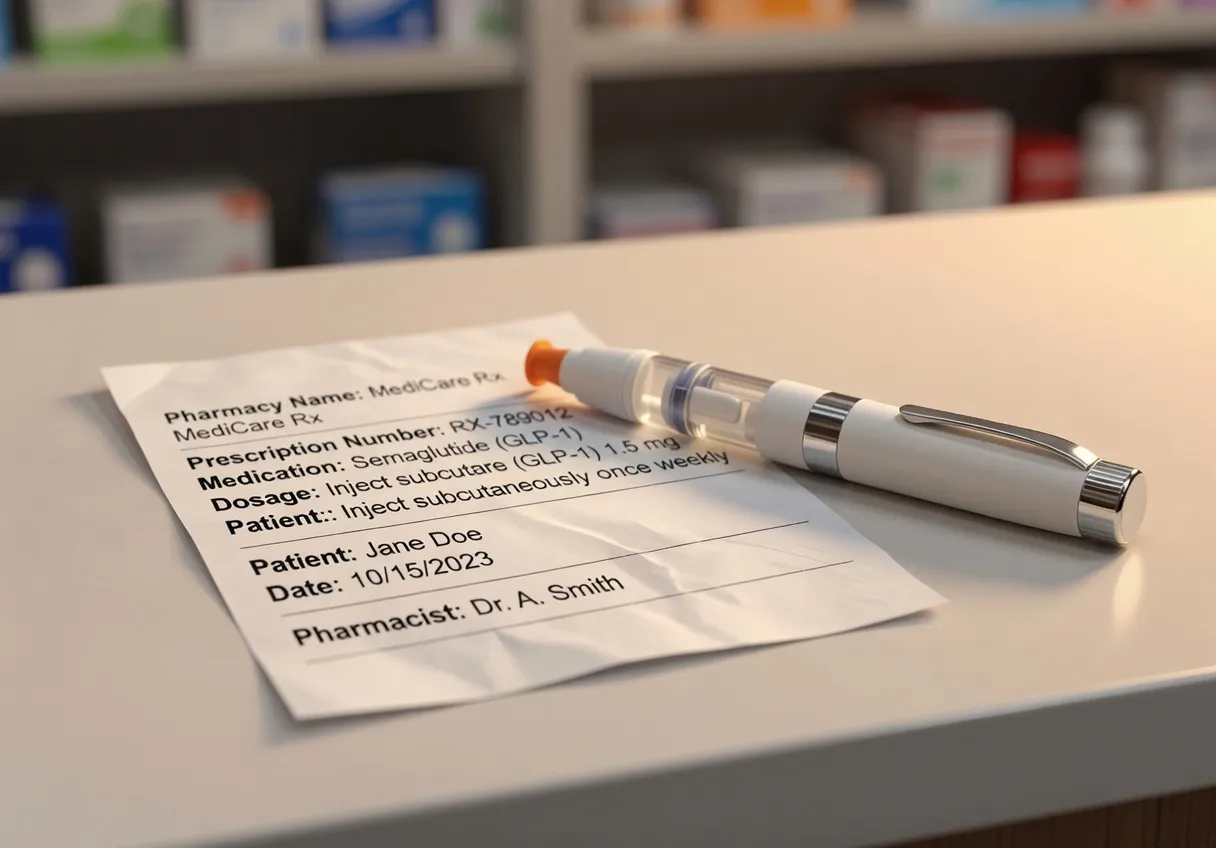
Ozempic contains semaglutide, a GLP-1 receptor agonist originally approved for type 2 diabetes.
Mounjaro contains tirzepatide, a dual GIP and GLP-1 receptor agonist — meaning it activates two hormonal pathways instead of one.
That difference sounds small. The results say otherwise.
The Weight Loss Numbers Side by Side
Clinical trials do not lie. Here is what the data shows:
- Ozempic (2.4mg weekly): Average weight loss of 15% of body weight over 68 weeks
- Mounjaro (15mg weekly): Average weight loss of 22.5% of body weight over 72 weeks
That gap is significant.
A person weighing 250 pounds could lose 37 pounds on Ozempic versus 56 pounds on Mounjaro — using the same effort, same diet, same timeline.

How Each Drug Works in Your Body
Ozempic (Semaglutide)
- Mimics the GLP-1 hormone
- Slows stomach emptying
- Reduces hunger signals in the brain
- Improves insulin sensitivity
- One weekly injection
Mounjaro (Tirzepatide)
- Mimics both GLP-1 and GIP hormones
- Stronger appetite suppression
- Greater impact on fat storage mechanisms
- Faster metabolic adaptation
- One weekly injection
The dual-action mechanism of Mounjaro is what drives the superior results in head-to-head studies.
Side Effects: Who Wins on Tolerability
Both drugs share similar side effects because they work on overlapping pathways.
Most common for both:
- Nausea (especially in the first 4 to 8 weeks)
- Vomiting
- Constipation
- Diarrhea
- Fatigue during dose escalation
What the data shows:
- Mounjaro users report slightly higher nausea rates at peak doses
- Ozempic users tend to have a gentler initial adjustment period
- Both become significantly more tolerable after the first 2 months
If you are sensitive to gastrointestinal side effects, Ozempic may be the easier starting point.
Comparison Table: Ozempic vs Mounjaro 2026
| Feature | Ozempic | Mounjaro |
|---|---|---|
| Active ingredient | Semaglutide | Tirzepatide |
| Mechanism | GLP-1 agonist | GLP-1 + GIP dual agonist |
| Average weight loss | ~15% body weight | ~22.5% body weight |
| FDA approved for obesity | Yes (as Wegovy) | Yes (as Zepbound) |
| Injection frequency | Weekly | Weekly |
| Starting dose | 0.25mg | 2.5mg |
| Maximum dose | 2.4mg (Wegovy) | 15mg |
| Monthly cost (brand) | $900–$1,400 | $1,000–$1,500 |
| Generic available 2026 | Limited | Limited |
| Cardiovascular benefit | Strong evidence | Growing evidence |
| Insurance coverage | More established | Expanding rapidly |
Cost Reality in 2026
Price is where most decisions actually get made.
Ozempic brand name: $900 to $1,400 per month without insurance
Mounjaro brand name: $1,000 to $1,500 per month without insurance
Manufacturer savings programs change this dramatically:
- Novo Nordisk (Ozempic/Wegovy): Eligible patients pay as low as $25/month with insurance
- Eli Lilly (Mounjaro/Zepbound): Savings card can reduce cost to $550/month or less
If cost is your primary concern, check both savings programs before deciding. The difference between sticker price and actual out-of-pocket cost is enormous.
Want a full breakdown of what each drug actually costs in 2026? Read our complete Ozempic cost guide before your next doctor appointment.
Track Your GLP-1 Progress — Free App
Log doses, monitor weight loss trends, and get personalized insights while on Ozempic or Mounjaro. Thousands of users already tracking smarter.


Who Should Choose Ozempic in 2026
Ozempic is still a powerful drug. It is not second place for everyone.
Ozempic makes more sense if:
- You have type 2 diabetes and need dual management
- Your insurance covers semaglutide but not tirzepatide
- You want a more established safety record
- You prefer a gentler side effect ramp-up
- Your doctor has more experience prescribing it
- You have strong cardiovascular risk factors (SELECT trial data is robust)
Who Should Choose Mounjaro in 2026
The clinical results are hard to ignore.
Mounjaro is the stronger choice if:
- Your primary goal is maximum weight loss
- You do not have severe GI sensitivity
- Your insurance covers Zepbound or Mounjaro
- You want the most current dual-hormone science
- You have insulin resistance or metabolic syndrome
- You are willing to tolerate a slightly more intense adjustment period
What Doctors Are Recommending Right Now
In 2026, the prescribing landscape has shifted.
More endocrinologists and obesity medicine specialists are defaulting to tirzepatide for new patients without contraindications.
The reason is simple: the outcome data justifies it.
However, primary care physicians often still default to semaglutide because of familiarity and insurance pathway ease.
The best move is always a direct conversation with a provider who specializes in metabolic health.
Find a GLP-1 Specialist Near You — Fast
Get matched with a licensed prescriber who knows Ozempic and Mounjaro inside out. No long waits. No gatekeeping. Start your consultation today.
The Honest Answer: Which One Is Better
If you want the drug with the highest ceiling for weight loss — Mounjaro wins.
If you want the drug with the longest track record, broadest insurance acceptance, and most established cardiovascular data — Ozempic is still a strong choice.
The best drug is the one you can actually access, afford, and tolerate long enough to see results.
Both work. One works more.
Ozempic vs Mounjaro 2026
Can I switch from Ozempic to Mounjaro?
Yes. Many patients switch after plateauing on semaglutide. Always do this under medical supervision with a proper washout or transition protocol.
Is Mounjaro FDA approved for weight loss specifically?
Yes. Zepbound, the branded weight loss version of tirzepatide, received FDA approval for chronic weight management in adults with obesity or overweight with a related condition.
Which drug causes less nausea?
Most clinical reports show Ozempic causes slightly less nausea during the initial dose escalation phase, though individual responses vary significantly.
Can I take both drugs at the same time?
No. Combining GLP-1 medications is not recommended and could cause dangerous side effects. This should never be attempted without direct physician oversight.
Does Mounjaro work if Ozempic stopped working?
Clinical experience suggests yes for many patients. The dual-mechanism approach can re-engage metabolic pathways that have adapted to single GLP-1 stimulation.
Which drug is better for people with type 2 diabetes?
Both are approved for type 2 diabetes management. Mounjaro shows stronger HbA1c reduction in head-to-head studies, but your doctor’s recommendation based on your full profile matters most.
How long before I see results with either drug?
Most patients notice appetite reduction within the first 1 to 2 weeks. Visible weight loss typically begins by weeks 4 to 8 depending on dose and starting weight.
